


Three Essential Pre-Operation Checks For Slurry Pumps: Preventing Motor Burnout And Pipe Blockages
We often get rushed emergency service calls. Operators report motors smoking right after power-up, or pumps seizing up fully just two minutes into operation. The pump housing gets scorching hot, too hot to touch safely. Upon disassembly, we rarely find defects in the components themselves; in the vast majority of cases, the issue stems from overlooking a few minor-yet critical-details before operation.Most failures happen simply because workers skip basic yet vital pre-start checks.
Slurry pumps are built tough to handle heavy loads of sand, gravel and silt mixtures. Even so, careless oversight right before turning the machine on easily triggers costly breakdowns. Below are three must-do pre-operation inspections. Many operators ignore these routine steps year after year, yet they effectively prevent motor burnout and pipeline clogging issues.

First off, fully inspect the electrical system. Construction site power sources vary greatly, from portable generators to temporary wiring setups, which often bring unstable voltage fluctuations. Power cables frequently lie exposed on rough ground, vulnerable to being crushed by excavator tracks or cut by sharp rock fragments. Damaged outer cable casing that soaks up mud and water instantly leads to short circuits and electric sparks once powered on, resulting in avoidable motor damage.
Walk the full cable length to check loose waterproof joints and worn insulation that exposes internal copper wires. This quick check only takes a minute and pays off greatly. Use a megohmmeter to test motor insulation resistance. Values under 0.5 megohms require thorough drying; forcing startup in this state burns out stator coils quickly. Also retighten all wiring terminals, especially three-phase power connections. A missing power phase makes the motor hum without spinning, spikes electric current and creates obvious burning odors. Unstable electrical setups leave pumps prone to sudden failure.
Second, clear all hidden pipeline blockages. Clogs seldom form inside the pump body itself, and most obstructions lie in upstream and downstream pipes. Suction side foot valve strainers easily trap twigs, rags and plastic waste. Blocked strainers cut suction power, create vacuum pressure inside the pump and trigger heavy vibration. Mechanical seals wear out first under such strain, followed by unstable motor load and sharp temperature rises.
Spending two minutes clearing strainer debris saves far more time and cost spent on full pump disassembly and repairs. Leftover slurry hardens into solid chunks inside idle pump casings within hours, locking impellers firmly in place. Running a seized impeller puts extreme strain equivalent to pushing against solid rock. Open drain ports and use long screwdrivers to check impeller mobility, flushing out all dried sediment thoroughly.
All ball valves and pipeline valves need full opening before startup. Some staff partially close valves fearing sudden fluid surges, which only traps liquid inside the pump. Circulating fluid heats rapidly and vaporizes, creating electric overload that burns out motors in seconds. Manually test swing check valves to rule out stuck closed positions. Blocked outlets create violent water hammer force that ruins entire pipeline systems. Unobstructed piping lets pumps operate at designed efficiency.

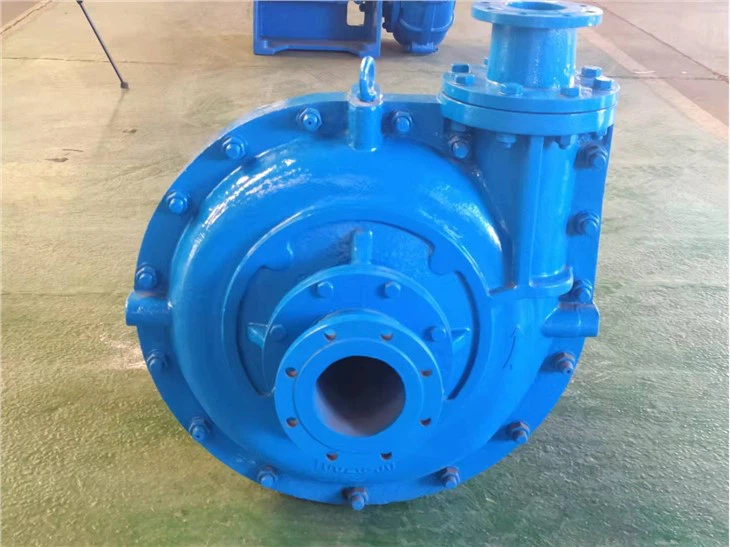
Third, rely on physical touch to turn the pump shaft and check lubrication status. Fine sediment settles tightly between shafts and impellers after shutdown, invisible to plain visual checks. Use dedicated tools to rotate the shaft clockwise several times. Smooth, steady rotation with no grinding or jamming signals safe startup conditions. Fixed, unturnable shafts almost always mean sediment seizing internal parts; powering up in this condition directly destroys motors.
Examine bearing cavity grease for emulsified discoloration, thickening or dryness. Running bearings without proper lubrication overheats rapidly, locks up and even twists motor shafts under high-speed operation. Units fitted with mechanical seals and seal water systems need water supply activated prior to startup. Dry seal surfaces crack easily, letting slurry flow straight into motor interiors and cause hidden burnout. Grease refills and seal water adjustments take only 3 to 5 minutes, greatly extending overall equipment lifespan.
In summary, these practical checks only take five minutes total: confirm stable power supply, clear all pipeline obstructions and verify flexible shaft rotation. Sticking to these daily habits keeps heavy-duty slurry pumps running steadily amid harsh muddy working conditions, delivering consistent reliable performance for long-term use.


