


Ending Frequent Downtime: Three Zero-Failure Practices for Ceramic Pumps Handling Kaolin Slurry in Paper Mills
Kaolin slurry is common in coating preparation and filler systems at paper mills, usually at 15–30% consistency. It looks like white mud and flows well enough, but it is not gentle on pumps. The particles are fine, hard, and settle fast, so they collect in pump chambers, seal chambers, and low spots in piping. Metal pumps in this service lose impeller and casing material far faster than in clear water, and mechanical seals often get fines in them. Inquiries and field feedback from overseas projects show that kaolin-related unplanned downtime remains common. Ceramic pump installations that run reliably tend to do three things consistently.
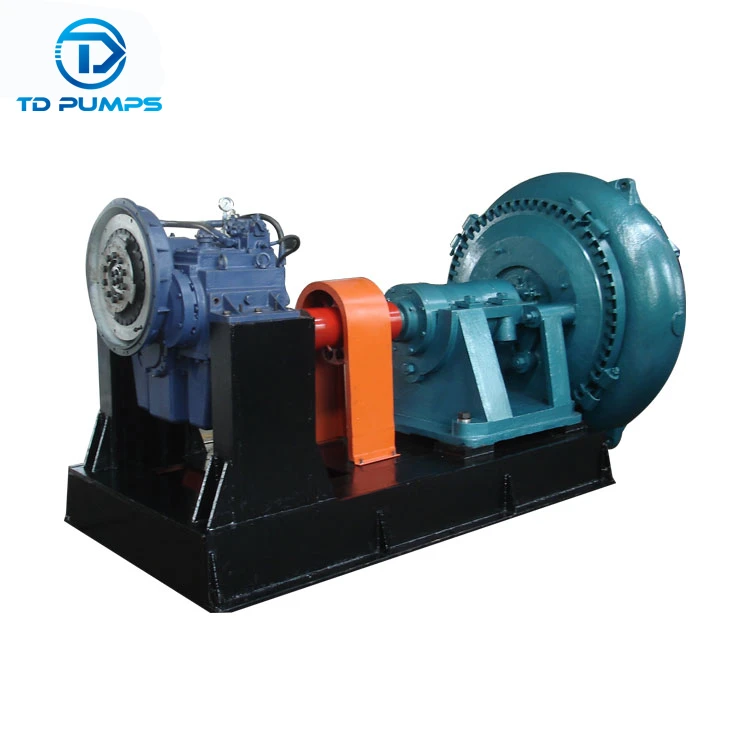
Start with the wetted-end materials. Kaolin erosion concentrates at the impeller outlet, the volute cutwater, and the front and rear wear plates. As metal pumps wear, clearances between the impeller and casing grow. Slurry recirculates inside the pump, and flow and head fall off. Plants often make up for it by increasing speed, which accelerates wear-a cycle that gets worse. Ceramic is far harder than kaolin particles, so erosion removes little material and clearances stay stable. The tradeoff is brittleness. If someone simply glues a few ceramic tiles inside a metal casing but leaves the impeller metal, or if the bond cannot take vibration, tiles can break loose and take out the impeller. The proven approach is to make all wetted parts from solid ceramic or a high-strength ceramic lining, with impeller-to-casing clearances designed around ceramic thermal expansion. Avoid rapid heating or cooling during startup and shutdown. Then pump output does not fade as parts wear, and one major source of unplanned downtime goes away.
Seal leaks cause more shutdowns than worn pump casings. The casing may still be fine, but the seal fails first. When kaolin particles get into the mechanical seal faces, they embed and cause face wear or a stuck spring. The typical field fix is to keep tightening the gland or replacing the seal, but the real issue is often too little flush flow or the wrong flush direction in the seal chamber. Reliable ceramic pump installations use continuous external flushing. Flush water pressure is kept slightly above pump chamber pressure, so clean water flows outward from the seal chamber and blocks slurry from the seal faces. After shutdown, the flush should also push residual slurry out of the seal chamber. Otherwise the pump can start dry or with a seized seal. If the seal chamber has dead zones, slurry sits there, hardens, and eventually becomes an abrasive. For kaolin slurry, continuous flushing and post-shutdown cleanup matter as much as the pump material.
Ceramic is good against wear, but it does not like dry running, cavitation, or pipe strain. Ceramic is less forgiving than metal under mechanical and thermal shock. Dry running and cavitation are the main causes of unexpected cracking. Kaolin slurry concentration can swing, or the suction valve may be throttled too far, and the pump pulls air. Cavitation bubble collapse creates strong impacts that can pit a ceramic impeller or crack it in severe cases. In some mills, slurry settles after shutdown and the impeller becomes packed with kaolin. Forcing a start under those conditions can damage ceramic parts. Sites with long failure-free runs typically connect suction pressure, flow, and flush water pressure to the control system, with alarms or trips when values drop below setpoints. Piping is installed so the pump casing does not carry pipe weight or thermal expansion loads. Flexible connectors or proper supports are used at the suction and discharge. These outside details determine whether the ceramic advantage shows up in the field.
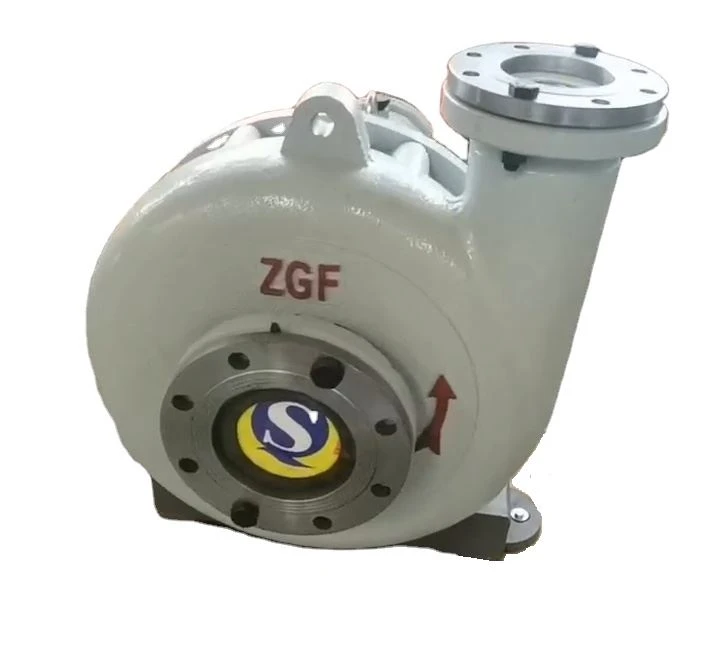
Ceramic pumps reduce downtime in kaolin slurry service not because of one part, but because wetted materials, seal flushing, and operating conditions work together. Overseas buyers who focus only on price or the word "ceramic" while ignoring the seal flush plan and site operating limits can still end up with frequent shutdowns. Check the existing system against these three points, and many kaolin-related unplanned stops can be traced to a specific cause.


