


Spare Parts Strategy For Ceramic Pumps: Which Wear Parts Require Stocking?
For any operation running ceramic pumps, a sensible spare‑parts strategy is one of the best ways to avoid unplanned downtime. The key isn't to stock every single component in bulk, but to sort parts by how often they wear out, how long they take to get delivered, and what happens if they fail. Here's a breakdown by component type.

Plungers and cylinder liners
The plunger is the heart of a ceramic pump. The material from which the plunger is made is either high-purity alumina or zirconia, so it does experience wear over time; however, the wear rate of the plunger will be at the same pace as that of its counterpart, the cylinder liner, as they are non-separable components of the pump mechanism that operate in tandem.
For stocking, treat these as long‑lead‑time items. A defective plunger or liner typically indicates total pump stoppage and making replacements can take many weeks. It is advisable to have at least one emergency reserve set of plunger and liner for each pump. For multiple pumps of the same type, you can probably get away with one or two sets shared among all pumps.
Seals and packing
Seals are the highest‑turnover consumable on a ceramic pump. This includes plunger seals, O‑rings, lip seals, and packing rings. In continuous service, seals can last usually from 3000 to 5000 hours, while some models of fine-ceramics might last even less than that of one to three months. In most cases seal failure occurs as leakage first so that it does not create a shutdown right away but disregarding that it can harm the environment, leak product, and speed the wear of the plunger and liner.
Because seals get replaced often, keep a generous working stock. Plan for 1.5 to 2 times your annual consumption per pump, or maintain a three‑ to six‑month rolling supply. Since most seal sizes are shared across multiple pumps on the same site, centralizing that inventory works well.
Valve plates, seats, and balls
The valve assembly-plates, seats, and sometimes balls-controls suction and discharge flow. On ceramic piston pumps, valve plates and seats are moderate‑wear items. In ceramic‑slurry duty, expect three to six months; in municipal sludge service, six to twelve months is more common. Valve balls, used in diaphragm and metering pumps, usually last six to twelve months. Worn valves cut volumetric efficiency and can cause erratic flow or complete priming failure.
For these, keep one full valve set per pump as a baseline, or maintain safety stock equal to 30–50% of your total pump count for each common size. Remember that seats and plates are often replaced as matched pairs, so order them together.

Diaphragms (for diaphragm pumps)
If your ceramic pump is a diaphragm design, the diaphragm itself is the most critical wear part. It flexes constantly and gets exposed to abrasive slurry. Normal service life is one to two years, but highly abrasive ceramic slurries can shorten that significantly. A ruptured diaphragm means immediate, total failure-no gradual warning.
Keep at least one complete diaphragm assembly per pump. It's also smart to have a repair kit on hand that includes the diaphragm plus the associated valve balls, seats, and seals, so you can do a full overhaul in one go.
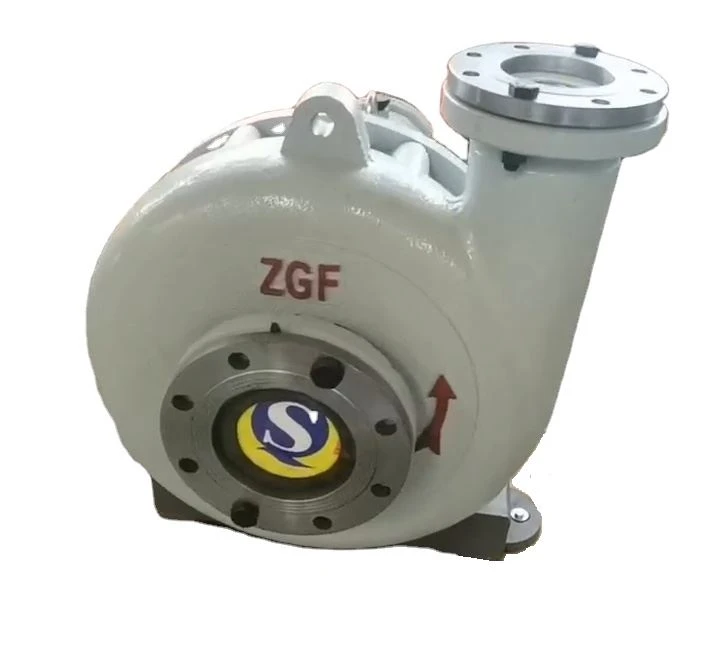
Mechanical seals and bearings
The mechanical seal sits at the shaft, sealing the rotating shaft against the pump body. In clean water or oil service, a year is a reasonable expectation; with corrosive fluids, cut that to about six months. Unlike a sudden break, mechanical seals tend to leak progressively-you'll see increasing weepage before they go completely, which gives you some lead time. Bearings last much longer, but they still need attention: check lubrication every 2,000 operating hours, and change the oil at least once a year.
For spares, keep one mechanical seal per pump. Bearings can be shared-one set for every two or three pumps of the same model is plenty, or simply order them when you schedule your annual maintenance.
A few ground rules for managing your stock
Always order spares with the full part number, description, and your pump's model and serial number-wrong specs are a waste of money and shelf space. Wherever possible, standardize on one or two pump sizes across a work area; that dramatically cuts the total variety of parts you need to carry. Set a minimum‑stock alert for each high‑use item; when you hit that level, reorder immediately. And don't forget about standby pumps-start them up regularly to keep them in ready condition, so they're not sitting idle for months only to fail when you finally need them. A little planning upfront goes a long way toward keeping your production line running smoothly.


