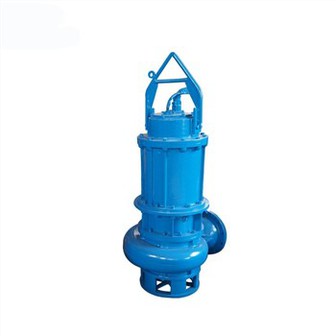
Breakthrough in Ceramic Pump Technology: SiC Ceramic Pump Unveiled At International Mining Exhibition, Service Life Doubled Again
At a recent international mining expo, a new direction in pump technology drew plenty of attention from industry folks. Several manufacturers rolled out pumps built with silicon carbide (SiC) ceramic, showing that this tech is moving out of the lab and into real-world mining applications. In particular, slurry pumps and FGD pumps are starting to see viable, field-tested solutions based on this material.
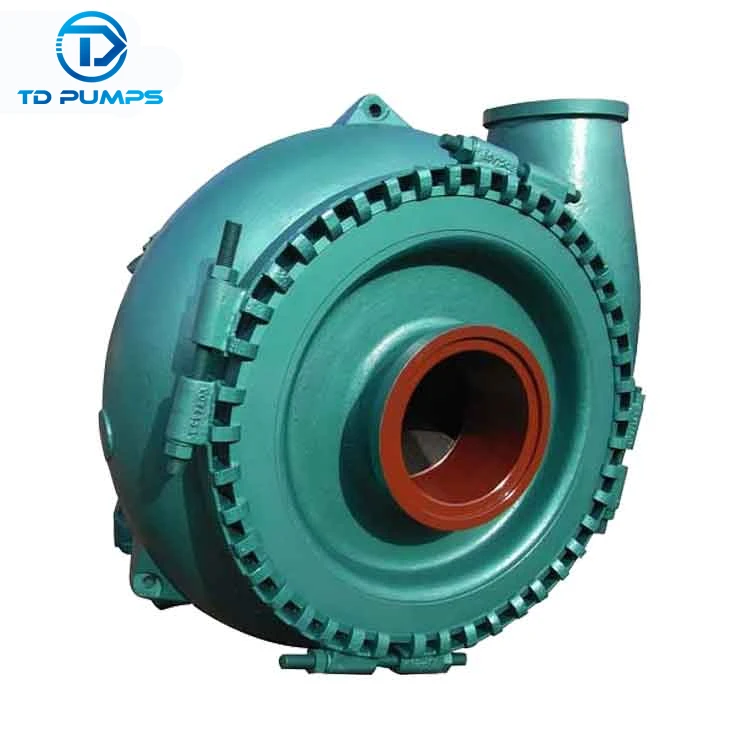
It is the limitations of the material that ultimately define the performance level. The Mohs hardness scale rates silicon carbide as one of the hardest materials above 9.2, which is close to the hardness of a diamond. You should realize this, especially, when you are running slurries with heavy loads and coarse particles such as ore, or other hard solids. Wetted parts (such as the impeller, casing, or liners) in this case would last much longer than they normally would with typical metals. Research has confirmed that SiC ceramic can withstand abrasion 5 or more times better than standard stainless steel. Additionally, silicon carbide is stable in the whole pH range from O to 14, which means that it is resistant to corrosion in acidic or alkaline solutions. With those two features at hand, ceramic pumps are an interesting option in the harsh environment of mineral processing, metallurgy, and chemical desulfurization- the places where abrasion and corrosion are the rule of the day.
Field numbers tell the real story. Take an iron ore concentrator that switched from high‑chromium cast iron impellers to SiC ceramic ones. Their slurry had 35% solids by weight, and the old impellers averaged just 45 days before replacement. After the swap, the ceramic impellers ran for 18 months on average-that's twelve times longer. Annual change‑outs dropped from eight to under one, a 91% reduction. Another set of numbers from a gold processing plant showed ceramic pumps lasting nine times as long as the metal ones they replaced. These aren't lab results; they're actual production data.
Efficiency improvements are just as notable. Metal impellers get rough as they wear, and efficiency gradually slips-one record showed a 15% drop after three months. Ceramic impellers, on the other hand, stay smooth and resist wear, so efficiency holds steady even after a year of service. That means flow and head don't fade over time. Measured energy savings come in around 8% compared to same‑size metal impellers, and some hydraulically optimized ceramic designs hit pump efficiencies of 93%. Add those numbers up, and the impact on operating costs is tangible.
Earlier versions of ceramic pumps had a weak spot: they were hard but brittle, and impact resistance was a concern. Recent advances have tackled that head‑on. With full‑vacuum casting processes, refined composite formulations, and structural designs backed by simulation software, today's SiC pumps keep their wear and corrosion advantages while taking impact loads three times better than older models. Meanwhile, ceramic‑graphite face seals with self‑cooling recirculation systems now deliver continuous seal life up to 8,000 hours.
In mining, the real value is less downtime. Mines run around the clock-an unplanned pump stop means the whole line grinds to a halt. Frequent metal impeller changes cost not just parts and labor, but lost production. Extending replacement intervals from months to years means fewer interruptions. One mining operator reported that switching to SiC ceramic pumps saved six figures annually in equipment costs, but more importantly, it stabilized the entire process. That kind of reliability matters even more in remote sites or underground operations.
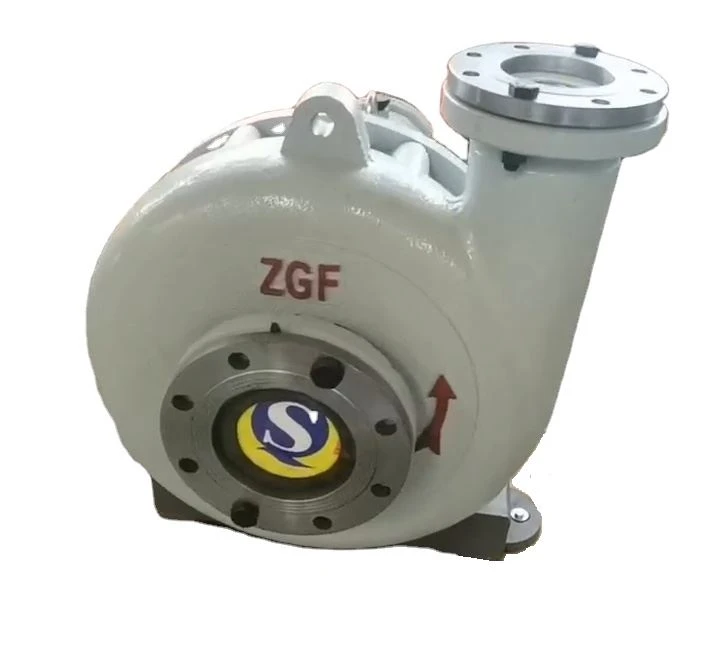
Based on the responses received during the event, it is clear that the mining industry is showing great interest in this kind of technology. SiC ceramic pumps are more than just an exchange of materials they represent a complete improvement through modern materials, superior manufacturing and intelligent hydraulic design. Anyone that is faced with a problem of severeabrasion and corrosion should really consider such an option.