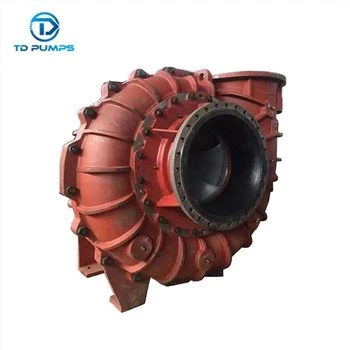
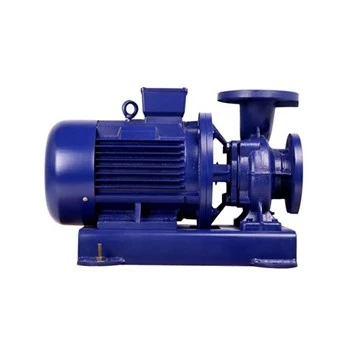
Water Treatment: How Ceramic Pumps Handle Lime Slurry Without The Usual Scale And Clogs
Lime slurry is one of those fluids that looks simple until you actually have to pump it. It turns up in municipal wastewater plants, power station scrubbers, and chemical neutralization. The solids are mostly calcium hydroxide, which doesn't dissolve well, and there's usually some unreacted grit mixed in. Move it through a pump long enough, and that grit starts finding places to sit.
Metal pumps have a hard time with this. The inside of a cast iron or stainless pump isn't smooth where it counts. At a microscopic level, it's full of pits and scratches. Lime particles lodge in those spots. Once a few stick, calcium carbonate starts building on top. The deposit gets thicker, and before long the passage is narrowed or blocked. Corrosion makes it worse. In a slurry that shifts between acidic and alkaline, the metal slowly breaks down. Those corrosion products mix with calcium salts, and the scale turns into something closer to concrete. Maintenance crews know the routine: pull the pump, soak it in acid, chip off what won't dissolve, put it back, and wait for the next round.

Ceramic changes the surface the slurry touches. Alumina, zirconia, and silicon carbide are fired at high temperature. What comes out is a very hard, very dense surface with almost no pores. Silicon carbide is near diamond on the hardness scale. For a lime particle, there isn't much to hold onto. It can still hit the wall, but sticking is another matter.
Surface energy matters here. Ceramics generally have lower surface energy than stainless steel. The polar part of that energy is what pulls scale-forming salts toward a surface. Lower polar component, weaker bond. According to the laboratory measurements, the adhesion force of salt particles on low-energy ceramic corresponds to 50% of their force on glass or steel. In case calcium carbonate is deposited, it is usually deposited as a loose porous layer rather than a dense shell. The slurry flowing around can often sweep any deposits away before they can create any issues.
Geometry helps too. Plunger and diaphragm pumps often have tight clearances around valve seats and balls. That's where solids collect first. Ceramic pumps tend to use wider flow paths and fewer of those tight pockets. Some designs also use the plunger as a scraper. As it moves, its edge wipes the liner. Soft deposits get pushed off before they cure into hard scale.
None of this stops the chemistry. Calcium hydroxide still reacts with carbon dioxide to form calcium carbonate. Water still evaporates and leaves dissolved solids behind. A ceramic pump doesn't prevent scale from forming. It just makes the wall a poor place for scale to anchor. Think of snow on a rough sidewalk versus a glass pane. Both get snow. One holds it, the other sheds it.
Shutdown is another weak point for metal. Trapped slurry dries in the pump chamber and hardens. On startup, those chunks can jam the rotor. Ceramic surfaces don't hold water or residue as tightly, so a rinse after shutdown goes further. For systems that start and stop throughout the day, that alone can save a lot of grief.
Ceramic has its own limits. It's brittle. Large metal debris or rocks in the slurry can crack it. Most installations put a filter or grit trap upstream. That's good practice anyway, but with ceramic the protection needs to be dependable. Metal can take a hit and keep going. Ceramic can't.
In real service, silicon carbide wetted parts often last about four times longer than metal. Maintenance costs drop, but uptime is the bigger deal. Every acid cleaning is a shutdown. Every shutdown is lost treatment time and, at a power plant or wastewater facility, a potential compliance risk. Fewer teardowns means fewer chances for something to go wrong.
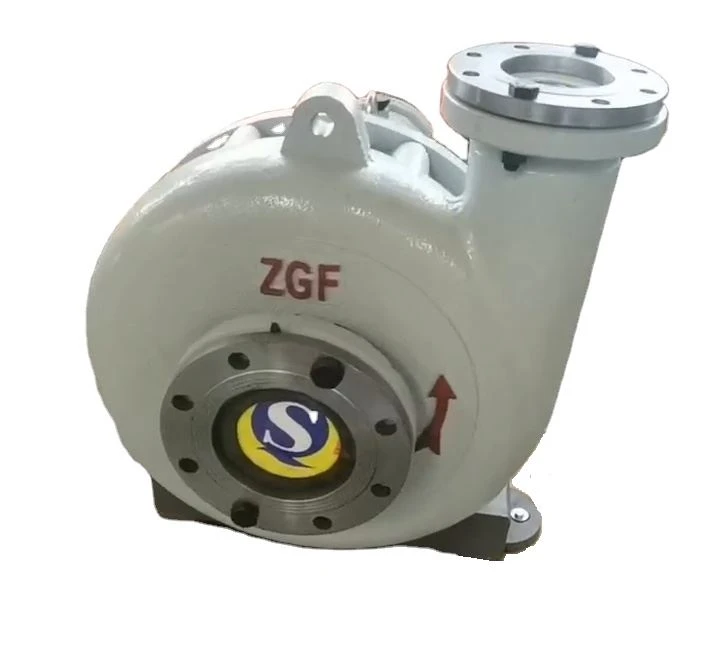
That's why ceramic pumps have moved from a specialty item to a standard choice for lime slurry. The wear resistance is nice. What really changes things is the surface. Scale has a hard time grabbing. When it can't grab, it can't build. When it can't build, the line stays open and the pump keeps running.