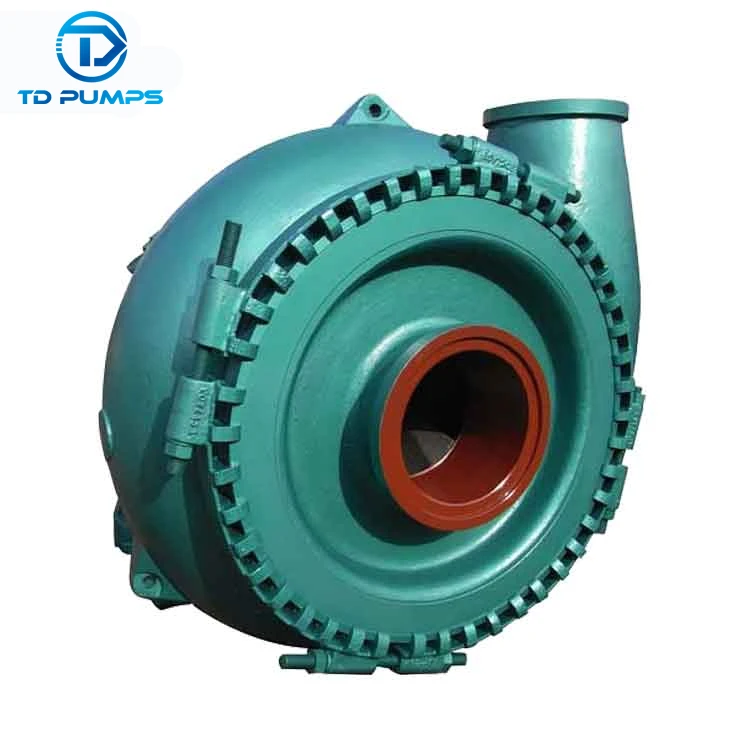
Should You Use Grease Or Oil For Gravel Pump Bearings?
Gravel pumps move slurry loaded with sand and gravel, so they take constant vibration and shock. At the same time, moisture and dust find their way into the bearing housing way too easily. Choose the wrong lubrication, and you're looking at anything from high bearing temperatures to a seized bearing. Truth is, both can work - each one fits a different situation.

Grease is semi-solid. Once you pack it in, it clings to the raceways and cage. If the seal wears a little, the grease itself works like a barrier, helping keep some of that mud and water out. Grease is a really practical choice for sites that are unattended or short on maintenance help. You just pump fresh grease in with a gun on a regular schedule to push the old grease out - no need to watch an oil level every day. The downside? Grease is lousy at carrying away heat. It mainly relies on the housing to pull heat from the bearings. Run the pump at higher speeds or around the clock, and the grease can thin out and leak as temperatures climb and the thickener shears down. You end up with soap residue sitting in there that actually hurts lubrication. In general, grease is the safer bet for gravel pumps running at low to medium speeds.
Oil, because it flows, floods the rolling elements and carries heat away fast. It also flushes out tiny wear particles as it circulates. That cooling and cleaning action is exactly what big gravel pumps need when they run continuously at high speeds and heavy loads. But oil has a weak spot: the seals. If the shaft seals or labyrinth seals start to leak, mud and water will get in and turn the oil milky in no time. Once that happens, the oil loses its lubricating properties. On top of that, oil lubrication means you have to monitor oil levels, pull samples, and change the oil on schedule. It demands a lot more attention than grease.
What really drives the grease-or-oil decision is bearing speed, sealing conditions, and how much maintenance your crew can realistically do. Small to medium pumps often run over 1,000 rpm, but their bearing DN values (bore diameter in mm × rpm) tend to be low. If those pumps are sitting outdoors, in a tunnel, or anywhere that's wet and dusty, stick with grease, add a good labyrinth seal, and re-grease on a regular schedule. That setup usually does the job. For larger pumps spinning above 1,500 rpm - especially ones on VFDs that loaf along at low speed and high torque for hours - heat generation jumps way up. In those cases, oil lubrication makes it much easier to keep temperatures under control. Fit a proper sight glass and breather, and add an oil cooler if you need to. Just make sure your site can keep up with regular oil checks and changes.
A lot of people worry about shock loads and assume oil is a must. In reality, the shocks get absorbed by the rolling elements and raceways. As long as the lubricant has enough extreme-pressure and anti-wear additives, it will hold a film under shock loads. That goes for grease just as much as oil. The thing that matters is using an EP-rated grease, EP gear oil, or EP engine oil - not whether the lube is solid or liquid.
Here's what I see in the field. If a pump came from the factory set up for grease and it's running at normal temperatures, and when you look at the old grease coming out it isn't heavily emulsified, blackened, or caked up, keep using grease. Follow the "little and often" rule and don't over-grease. If you purge grease and notice it's thin and milky white, you've got water in there. Fix the seal and clean out the housing. If the original design calls for oil, keep a close eye on oil condition. If it turns milky, change it right away, and make sure the breather stays dry. For models where you can pick either method, think about it this way: if the pump is outdoors where slurry splashes, and you don't have dedicated maintenance people, grease is your friend. If the pump sits in its own room, you have a lube management routine, and it runs nonstop, oil will give you better results over the long haul.
In the end, bearing life depends way more on how you take care of things day to day - timely lube changes, effective seals, and the right fill amount - than on whether you chose grease or oil. Keep that in mind, and you'll save yourself a ton of trouble.